
Are you thinking about getting a car on finance? You've probably come across Hire Purchase (HP) — one of the most straightforward ways to buy a car without paying the full price upfront. But here's what catches people out: you don't actually own the car until you make that final payment.
With HP, you pay a deposit, make fixed monthly payments over 2–5 years, and then the car's yours. No confusing balloon payments like PCP. No handing the car back at the end. Just straightforward ownership.
But is it the right choice for you? And how much will it actually cost? Here's everything you need to know about HP car finance in 2026 — including how to calculate your real costs.
📌 What Is Hire Purchase (HP)?
Hire Purchase is a way of financing a new or used car where you pay a deposit, then "hire" the car with monthly payments until the contract ends — at which point you become the owner.
Here's how it works:
Choose your car and agree on the price
Pay a deposit (usually at least 10% of the car's value)
Borrow the rest from a finance company and repay it in equal monthly instalments with interest
Make fixed payments for 12–60 months (typically 36–48 months)
Pay a small "option to purchase" fee at the end (£1–£200)
Own the car outright
Key point: The loan is secured against the car. If you don't keep up payments, the finance company can repossess it.
✅ HP vs PCP: What's the Difference?
Most dealers push PCP (Personal Contract Purchase) rather than HP, so it's important to understand the difference:
Feature | Hire Purchase (HP) | Personal Contract Purchase (PCP) |
Monthly payments | Higher | Lower |
Final payment | Small fee (£1–£200) | Large balloon payment (£1,000s) |
Ownership | Automatic after final payment | Optional — pay balloon or hand back |
Mileage limits | None | Yes (typically 6,000–12,000/year) |
Flexibility at end | None needed — car is yours | Choice: keep, return, or trade-in |
Total interest | Usually less | Usually more |
Best for | Ownership, high-mileage drivers | Lower payments, regular upgrades |
Bottom line: HP is ideal if you want to own the car outright and don't want a big optional final payment hanging over you. PCP is better if you want lower monthly costs and like changing cars every few years.
💷 How Much Does HP Actually Cost?
Let's work through a real example using typical 2026 figures:
Scenario:
Car price: £20,000
Deposit: £2,500 (12.5%)
Amount to finance: £17,500
APR: 7.9%
Term: 48 months
The maths:
Using standard amortisation formulas:
Monthly payment: £427.23
Total repayments: £20,506.85 (48 × £427.23)
Total interest paid: £3,006.85
Option to purchase fee: £100
Total cost: £23,106.85
What you actually pay:
Deposit: £2,500
Monthly: £427.23 × 48 months = £20,506.85
Final fee: £100
Grand total: £23,106.85
Compare that to the original £20,000 car price — you're paying £3,106.85 extra in interest and fees. That's what borrowing costs.
👉 Use our free HP calculator to work out your own figures
🧮 What Affects Your HP Costs?
Four main factors determine how much you'll pay:
1. Your Deposit
The more deposit you pay, the lower your monthly instalments and the less you'll pay in interest overall.
Example (£20,000 car, 48 months, 7.9% APR):
Deposit | Amount Financed | Monthly Payment | Total Interest |
£0 (0%) | £20,000 | £488.27 | £3,436.96 |
£2,000 (10%) | £18,000 | £439.44 | £3,093.12 |
£5,000 (25%) | £15,000 | £366.20 | £2,577.60 |
£10,000 (50%) | £10,000 | £244.14 | £1,718.72 |
Takeaway: A £5,000 deposit instead of nothing saves you £859 in interest — almost enough for a full year of insurance.
2. The Term Length
Longer contracts spread costs but charge more interest per month overall.
Example (£17,500 financed, 7.9% APR):
Term | Monthly Payment | Total Interest |
24 months | £796.85 | £1,624.40 |
36 months | £549.29 | £2,274.44 |
48 months | £427.23 | £3,006.85 |
60 months | £354.68 | £3,780.80 |
Takeaway: Stretching from 24 to 60 months halves your monthly cost but adds £2,156 in extra interest.
3. Your APR (Interest Rate)
The better your credit score, the lower your APR and the less you pay overall.
Example (£17,500 financed, 48 months):
APR | Monthly Payment | Total Interest |
3.9% (excellent credit) | £393.85 | £1,424.80 |
7.9% (good credit) | £427.23 | £3,006.85 |
12.9% (fair credit) | £468.40 | £5,003.20 |
19.9% (poor credit) | £529.82 | £7,931.36 |
Takeaway: Poor credit can cost you £6,506 more than excellent credit on the same car. Worth improving your score before applying.
4. The Car's Value
Obviously, more expensive cars = more expensive finance. But also consider:
Used cars depreciate faster, so you might owe more than it's worth if you need to sell early
Newer cars under manufacturer warranty = fewer unexpected repair costs during your agreement
✅ Pros of Hire Purchase
1. You Own the Car at the End
Unlike PCP, there's no decision to make at the end — once you've made all payments, the car becomes yours. No balloon payment stress.
2. Fixed Payments Are Easy to Budget
You know exactly how much you'll pay each month, allowing you to budget appropriately. No surprises.
3. No Mileage Restrictions
You're unlikely to have mileage restrictions like you would with PCP. Drive 50,000 miles a year if you want — it's your car (once it's paid off).
4. Lower Total Interest Than PCP
You'll usually pay a bit less in interest than PCP because you're not deferring a huge chunk to a balloon payment.
5. Works for New and Used Cars
You can get HP deals on both new and used cars, and it works the same way. Great for buying nearly-new to save on depreciation.
6. Protection If Things Go Wrong
Buying through HP gives you some extra protection if there's a problem with the car, as the finance company or retailer are liable — always check your specific contract though.
⚠️ Cons of Hire Purchase
1. You Don't Own the Car Until It's Fully Paid
You won't be the owner until your final payment, so you can't sell or modify the car during the contract without permission from the finance company.
2. Higher Monthly Payments Than PCP
Monthly payments are usually higher than PCP, meaning the value of the car you can afford is less. If budget is tight, PCP might let you get a "better" car.
3. The Loan Is Secured Against the Car
If you miss payments, the lender could repossess the car. And until you've paid off a third of the amount owed, they can do this without a court order.
4. Locked Into Payments
If your money situation changes, you'll still be locked into monthly payments. Life happens — job losses, illness, etc. — and HP doesn't flex easily.
5. Depreciation Risk Is Yours
Once the agreement ends, the car is yours, so any depreciation risk is yours. If you bought at the wrong time or chose a car that tanks in value, that's your problem.
6. You'll Own It Beyond Warranty
HP buyers will probably own the vehicle well beyond the manufacturer's warranty period, meaning they'll be responsible for any unexpected repair costs.
🔑 What You Need to Apply for HP
Generally, you'll need the following when applying for HP car finance:
Proof of identity:
Full or provisional UK driving licence, or
Passport
Proof of income:
Recent payslips (usually last 3 months)
Bank statements
Tax returns (if self-employed)
Address history:
Most lenders require at least 3 years of UK address history
Other requirements:
Must be 18 or over
You'll need to pass a hard credit check and affordability assessment
Must have a UK bank account
💡 Can You Settle HP Early?
Yes — and it can save you money.
You can pay off HP finance at any time by contacting your finance provider. If you pay your contract off early, you'll usually pay less interest than if you'd stuck to the original schedule.
How it works:
Contact your lender and request a "settlement figure"
They'll tell you exactly how much you owe (balance + remaining interest - rebate)
Pay it off in one lump sum
Pay the option to purchase fee
Car is yours
Watch out for: Some lenders charge an early settlement fee. Check your contract.
When it makes sense:
You've come into money (bonus, inheritance, etc.)
Interest rates have dropped and you can refinance
You want to sell the car and need ownership first
🚦 HP vs Personal Loan: Which Is Better?
If you want to own the car outright, you could get a personal loan to pay for it. Here's how they compare:
Feature | Hire Purchase | Personal Loan |
Secured/unsecured | Secured against car | Usually unsecured |
Approval difficulty | Easier | Harder (unsecured = more risk for lender) |
Interest rates | Moderate (5–15% typical) | Can be lower (3–10% if good credit) |
Ownership | After final payment | Immediate |
Flexibility | Can't modify/sell until paid | Yours immediately — do what you want |
Repossession risk | Yes | No (but other consequences for default) |
When HP wins: Easier to get approved, especially with poor credit. Finance is tied to the car purchase.
When personal loan wins: You might find a loan means you're paying less in interest than HP depending on what deal you can get. Plus you own the car immediately.
📊 Real HP Examples: What People Actually Pay (Janaury 2026)
Here's what typical HP deals look like in the UK right now:
Example 1: Budget Hatchback (Used)
Car: 2022 Ford Fiesta — £12,000
Deposit: £1,200 (10%)
Finance: £10,800 at 9.9% APR over 48 months
Monthly: £272.45
Total interest: £2,277.60
Total cost: £13,477.60
Example 2: Family SUV (Nearly New)
Car: 2023 Nissan Qashqai — £25,000
Deposit: £5,000 (20%)
Finance: £20,000 at 6.9% APR over 60 months
Monthly: £395.24
Total interest: £3,714.40
Total cost: £28,714.40
Example 3: Premium Saloon (New)
Car: 2025 BMW 3 Series — £40,000
Deposit: £8,000 (20%)
Finance: £32,000 at 5.9% APR over 48 months
Monthly: £752.38
Total interest: £4,114.24
Total cost: £44,114.24
Key takeaway: The bigger the car and the longer the term, the more you'll pay in interest — but monthly payments become more manageable.
🧾 What Happens at the End of Your HP Agreement?
It's simple:
You make your final monthly payment
You pay the "option to purchase" fee (usually £1–£200)
Ownership automatically passes to you
The car is yours — keep it, sell it, or trade it in
What if you don't want to keep the car?
Unlike PCP, you can't just hand it back. Your options are:
Sell it privately and use the proceeds to pay off any remaining balance
Part-exchange it at a dealership for a new car
Keep it and not have to pay any monthly payments anymore
What if you've paid half the total amount?
Under the Consumer Credit Act, if you've paid at least 50% of the total amount owed (including interest), you can return the car and end the agreement with no further payments — this is called "voluntary termination." Just be aware it stays on your credit file.
🔍 FAQs About Hire Purchase
Q: Is there a balloon payment in HP? A: No. HP typically has no optional final payment — the finance is fully repaid over the term. You'll just have a small "option to purchase" fee at the end.
Q: Can I modify the car while on HP? A: Not without permission from the finance company, since they technically own it until you've made the final payment.
Q: What if I can't keep up with payments? A: Contact your lender immediately. They may be able to help with a payment holiday or restructuring. If you do nothing, they can repossess the car.
Q: Can I get HP with bad credit? A: Yes, but expect higher interest rates (15–25% APR). Specialist lenders like Moneybarn or CarFinance247 work with poor credit.
Q: Is HP better than leasing? A: Depends on your goals. HP means you own the car at the end. Leasing (PCH) means you never own it, but monthly payments are much lower. If ownership matters, HP wins.
Q: How does my credit score affect my HP deal? A: The better your credit score, the lower your APR. A 100-point improvement could save you thousands in interest.
Q: Can I pay more than the monthly amount? A: Some agreements allow overpayments, which reduces your balance and total interest. Check your contract for any restrictions or fees.
Q: What's the minimum deposit for HP? A: Some lenders offer zero-deposit HP, but most require at least 10%. The more you put down, the cheaper your monthly costs.
Q: Do I need insurance during the HP agreement? A: Yes. You'll need to tax and insure the car, and comprehensive insurance is typically required by the lender.
Q: What happens if the car gets written off? A: Your insurance payout goes to the lender to settle the outstanding finance. If the payout is less than what you owe, you're responsible for the difference (unless you have GAP insurance).
💳 Top Tips for Getting the Best HP Deal
1. Improve Your Credit Score First
Even a modest improvement (50–100 points) can knock several percentage points off your APR, saving you thousands. Check your credit report for errors and clear any small debts before applying.
2. Shop Around
Don't just accept the dealer's first offer. Check banks, building societies, and online brokers. Compare APR and total cost, not just monthly payments.
3. Pay a Bigger Deposit If You Can
Every extra £1,000 you put down reduces your monthly payment by £20–£30 and cuts your interest significantly.
4. Choose the Shortest Term You Can Afford
The longer the term, the more interest you pay. If you can afford £450/month instead of £350, go for 36 months instead of 48 — you'll save hundreds.
5. Watch Out for High-Interest "Deals"
Some deals offer big deposit contributions but eye-watering APRs (15–20%+). Work out the total cost, not just the headline offer.
6. Read the Fine Print
Check for:
Early settlement fees
Option to purchase fee at the end
Any required servicing conditions
What happens if you miss a payment
7. Don't Overstretch
Just because you're approved for £500/month doesn't mean you should take it. Budget realistically and leave room for unexpected costs.
🧮 How to Use Our HP Calculator
Our HP calculator helps you work out exactly what your finance will cost before you commit. Here's how to use it:
Step 1: Enter the car price The full purchase price of the vehicle (before deposit).
Step 2: Enter your deposit How much you'll pay upfront. The calculator will work out the amount to be financed.
Step 3: Choose your term Select 12–72 months. Most HP deals are 36–48 months.
Step 4: Enter the APR The annual percentage rate you've been quoted (or use an estimate if you're just exploring).
Step 5: Review the results The calculator shows:
Your estimated monthly payment
Total interest you'll pay
Total amount repayable
Amount to be financed
Use this to compare different scenarios: bigger deposit vs longer term, higher APR vs shorter term, etc.
🧾 Final Thoughts
Hire Purchase is one of the most straightforward ways to buy a car on finance. You pay a deposit, make fixed monthly payments, and own the car at the end — no balloon payment confusion, no mileage limits, no handing it back.
But it's not always the cheapest option. Monthly payments are usually higher than PCP, and if your money situation changes, you'll still be locked into those payments. Plus, you don't own the car until your final payment, so you can't sell or modify it during the contract.
Before you sign:
Use our calculator to work out your real costs
Shop around for the best APR
Check your credit score and improve it if needed
Read the fine print (early settlement fees, purchase fees, etc.)
Make sure you can comfortably afford the payments for the full term
HP can be a great way to buy a car — just make sure you've done your homework first.
👉 Calculate your HP costs — free tool
🔧 Related Tools from Resolvo
PCP Calculator — Compare PCP deals with balloon payments
Journey Price Calculator — Work out your fuel costs per trip
MPG Calculator — Calculate your car's real fuel efficiency
And if you ever get an unfair parking ticket Resolvo's here to help. Appeal a parking fine with Resolvo
Free Resolvo Tools
Related Posts
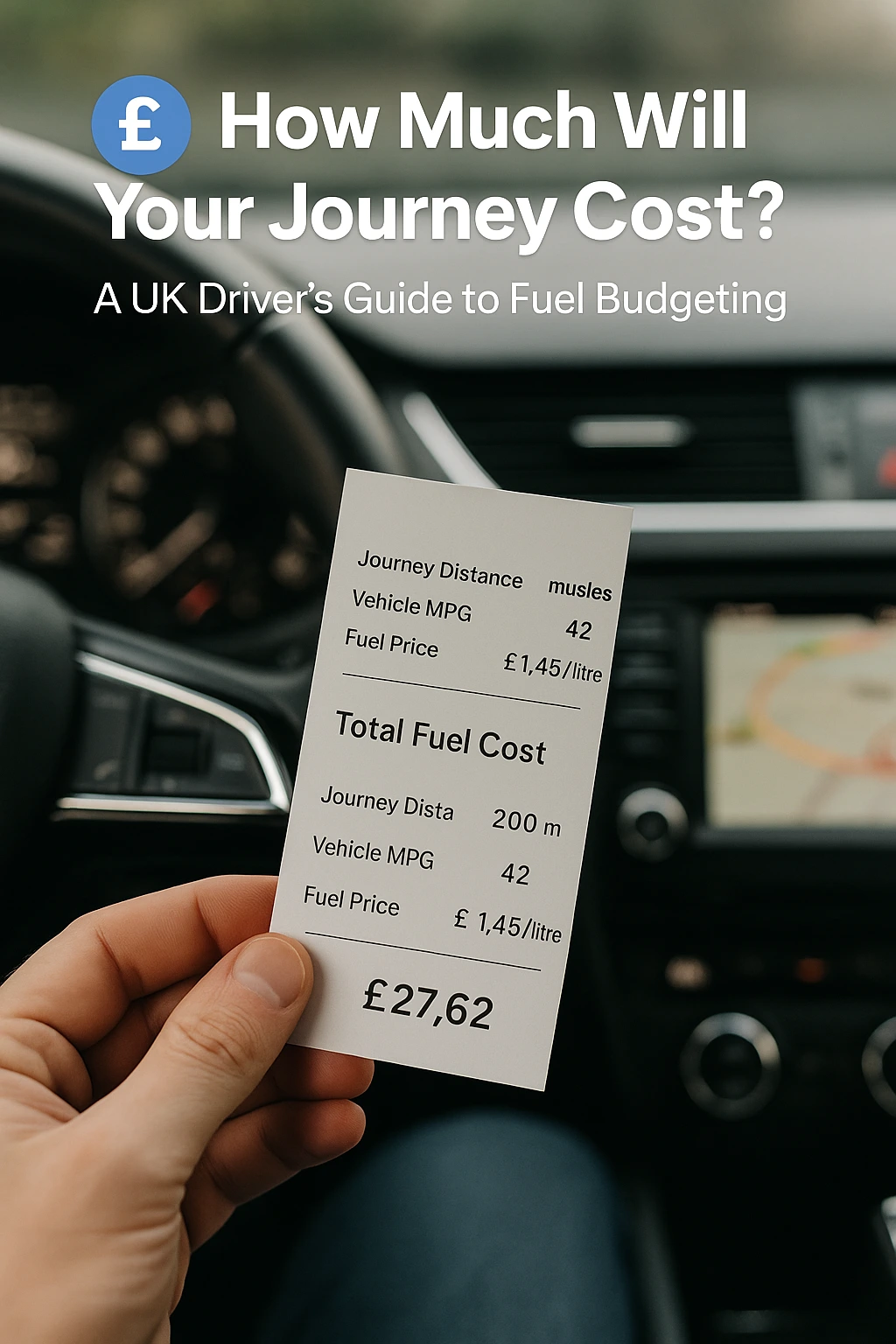
Calculate Your Car Journey Fuel Cost in Seconds
6 November 2025
Planning a drive? Use our free Journey Price Calculator to estimate your fuel cost quickly. Enter distance, MPG & fuel price — no registration required.
Got a Parking Fine? Upcoming Rules Could Save You
20 October 2025
Got a parking ticket? Learn about how upcoming government rules could change how fines work, what your rights are, and how Resolvo will help you fight back
🚗 The Ultimate Guide to Saving Fuel in 2026
30 August 2025
Want to save fuel and cut driving costs? Resolvo shares smart tips for UK drivers — plus fight your unfair parking fine with our free appeal tool
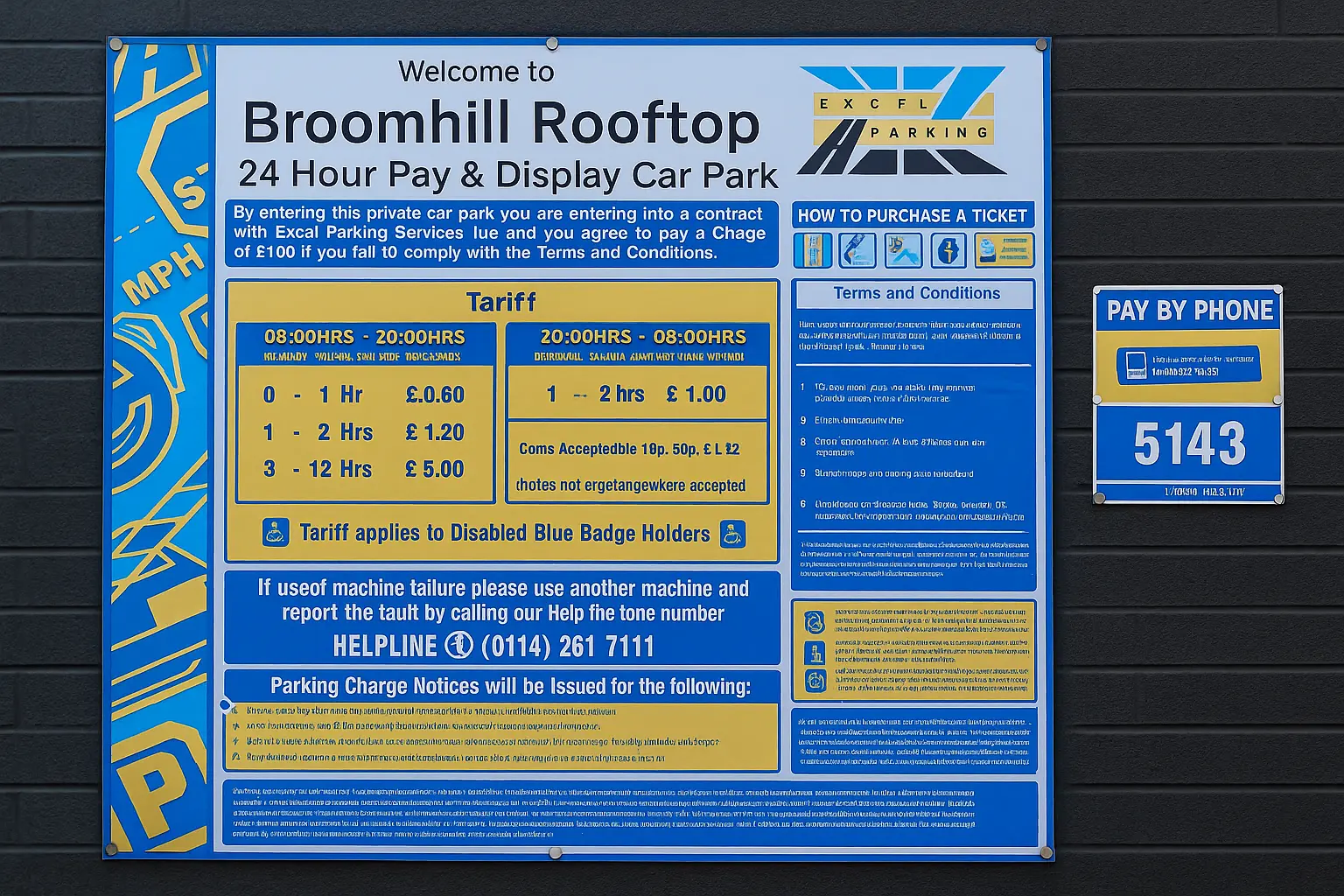
Got an Excel Parking Fine? Here’s How to Fight and Beat It
10 June 2025
Received a Parking Charge Notice from Excel Parking? Learn how to appeal it in minutes, what your rights are, and how Resolvo helps you fight back — for free.
Parents Are Getting Parking Fines for School Drop-Offs — How to Avoid a £130 Fine
29 May 2025
Stopped for 2 minutes at school and still got fined? Learn how to appeal unfair school run PCNs from councils or private firms — free with Resolvo.
Clean Air Zones (CAZ) in the UK: All You Need to Know in 2026
27 October 2025
Driving through a Clean Air Zone in 2026? Find out which UK cities have CAZs, what vehicles are charged, who’s exempt, and how to appeal a fine with Resolvo